

Warning signs
What do warning signs look like?
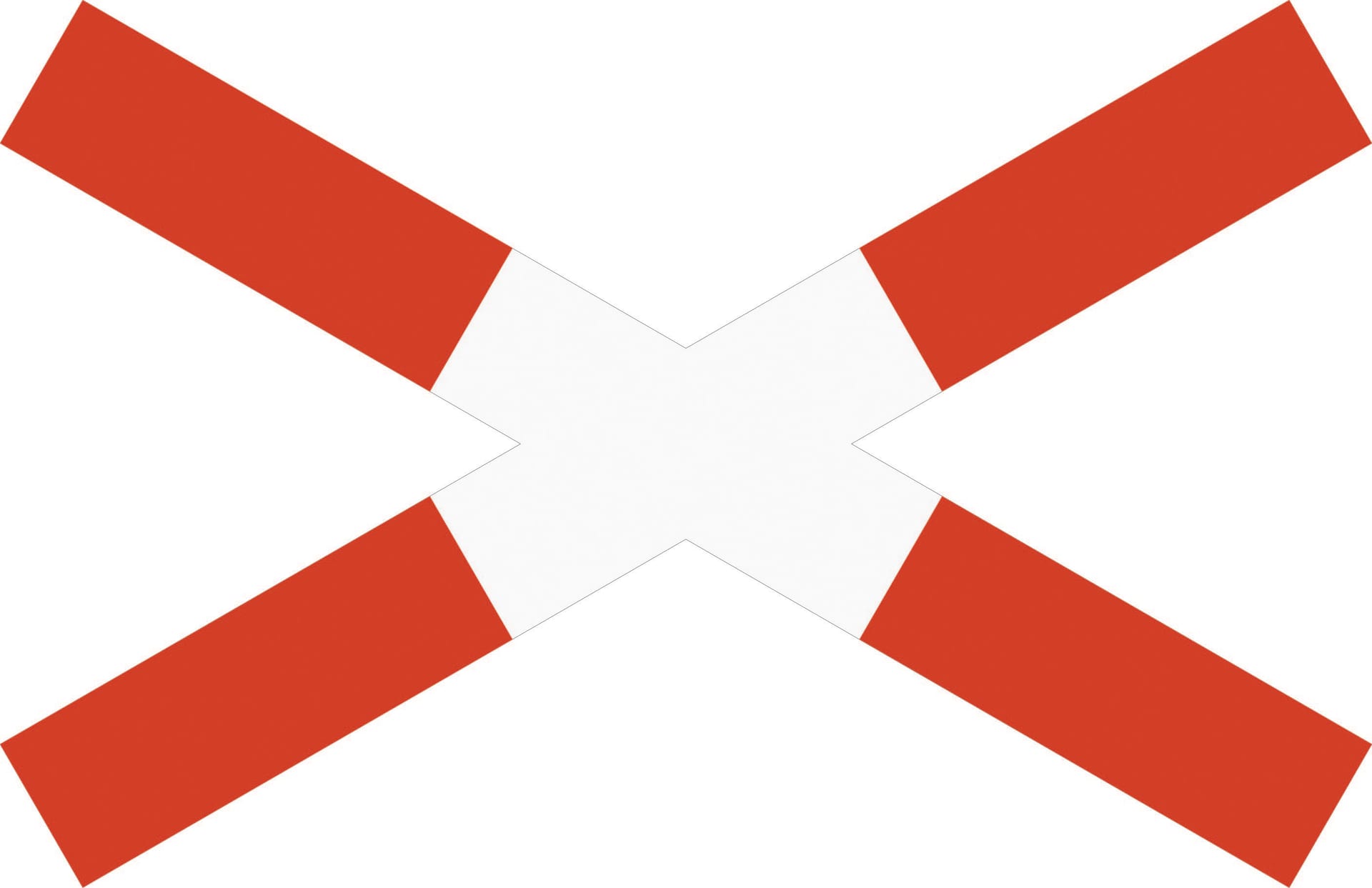
Railway track
Railway track
Is the single-track warning sign important for the theory test and the practical driving test?
The single-track warning sign is part of the syllabus for the class B theory test. You may be asked what the sign warns about, and on the practical driving test you must know how to behave when you encounter a level crossing with a single track.
What does the single-track warning sign mean?
The single-track warning sign warns that you are approaching a level crossing where a railway or tram crosses the road on a single track. You must slow down, look both ways, and be prepared to stop if barriers or signals require it.
Where do you find the single-track warning sign?
The single-track warning sign is placed at:
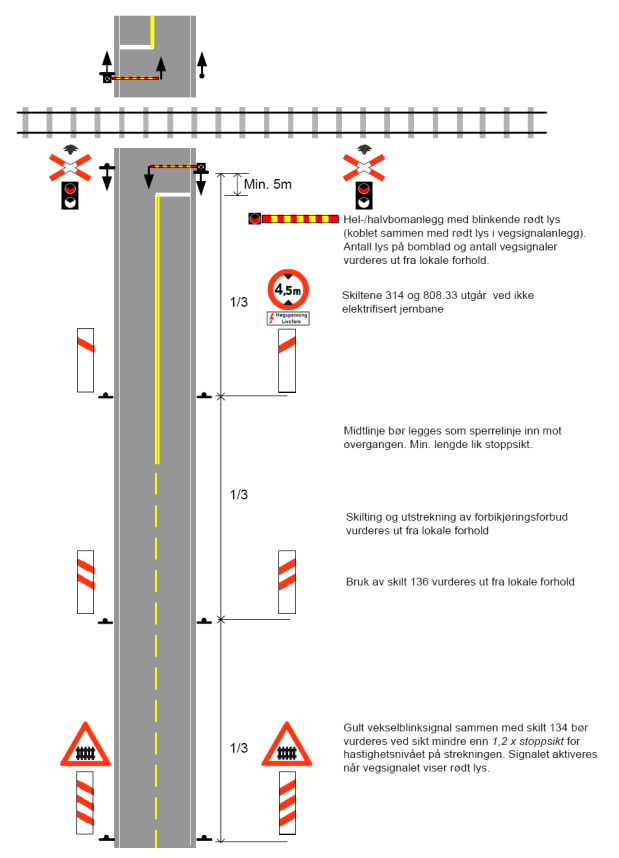
- Level crossings with one track – where a train or tram crosses the road.
- Public roads – national and county roads as well as municipal roads.
- Permanent and temporary traffic – the sign is used at both permanent and temporary level crossings.
What happens if you ignore the single-track warning sign?
If you ignore the single-track warning sign you can end up in a very dangerous situation. You risk colliding with a train or tram. In the worst case you can lose your driver's license, get demerit points, or a fine. Always brake down, look carefully, and follow any barriers and signals.
Why is the single-track warning sign important?
The single-track warning sign increases safety at level crossings by warning about a single track. Early warning gives you time to adjust your speed and avoid accidents.
Frequently asked questions (FAQ) about the single-track warning sign
- Do I have to stop at the single-track warning sign? – The sign alone does not always require a stop, but you must be prepared to stop at barriers and signals, or if a train is approaching.
- What is the difference between the single-track sign and the multi-track sign (138-2)? – 138-1 warns of a single track, while 138-2 warns of two or more tracks.