

Prohibition signs
What do prohibition signs look like?
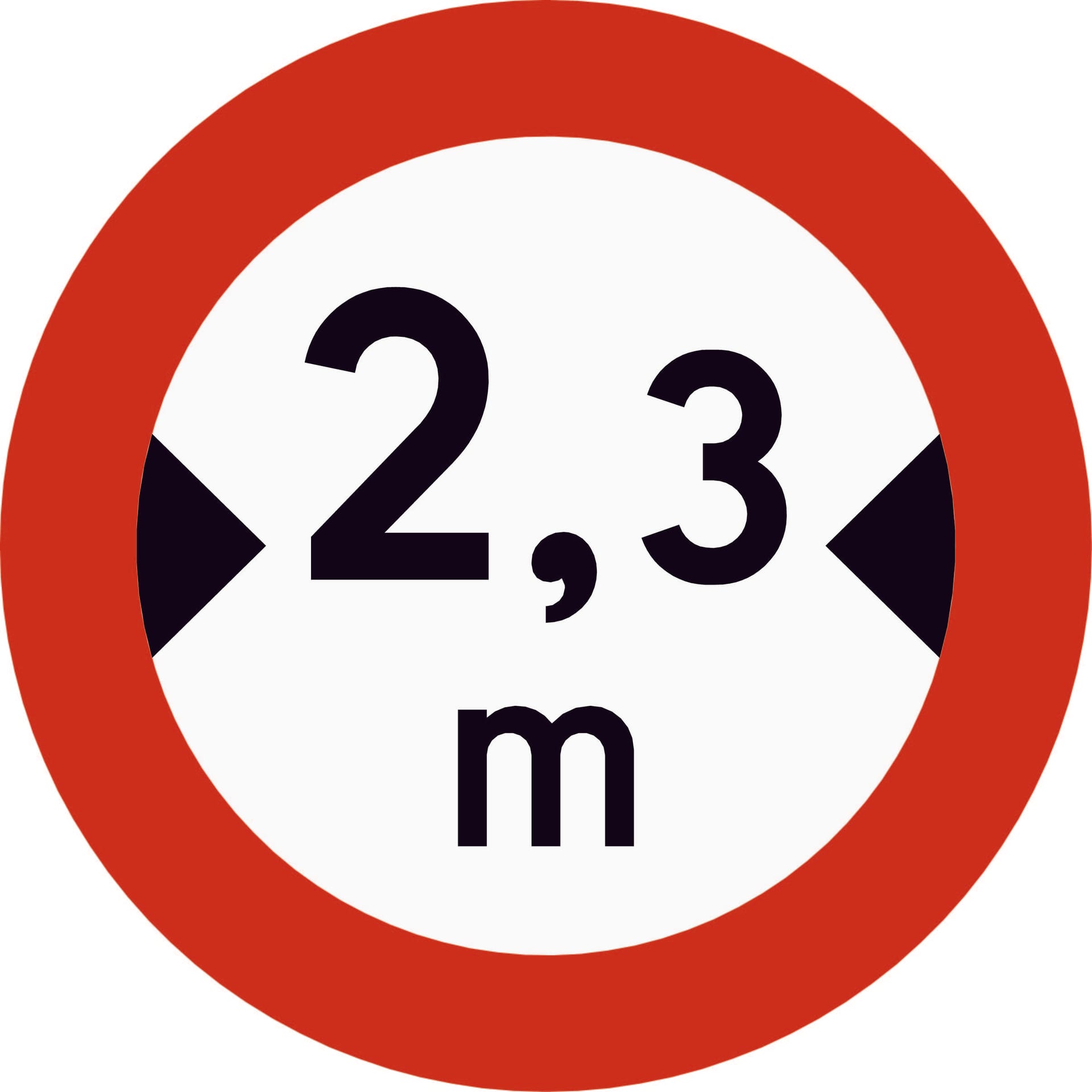
Width limit
[object Object]
Is the width limit sign important for the theory test and the practical driving test?
The width limit sign is relevant for the theory test and the practical driving test. Although it is not one of the most common signs, it is important to know what it means and where it may appear, so that you can make informed decisions in traffic.
What does the width limit sign mean?
The width limit sign indicates that vehicles (including their load) that are wider than the stated maximum width are not allowed to drive on the road. The sign is round with a white background and red border, and shows the permitted width in meters (e.g. "2.5 m"). This means that the total width of the vehicle and the load must not exceed the indicated limit. Vehicles exceeding this width must find an alternative route.
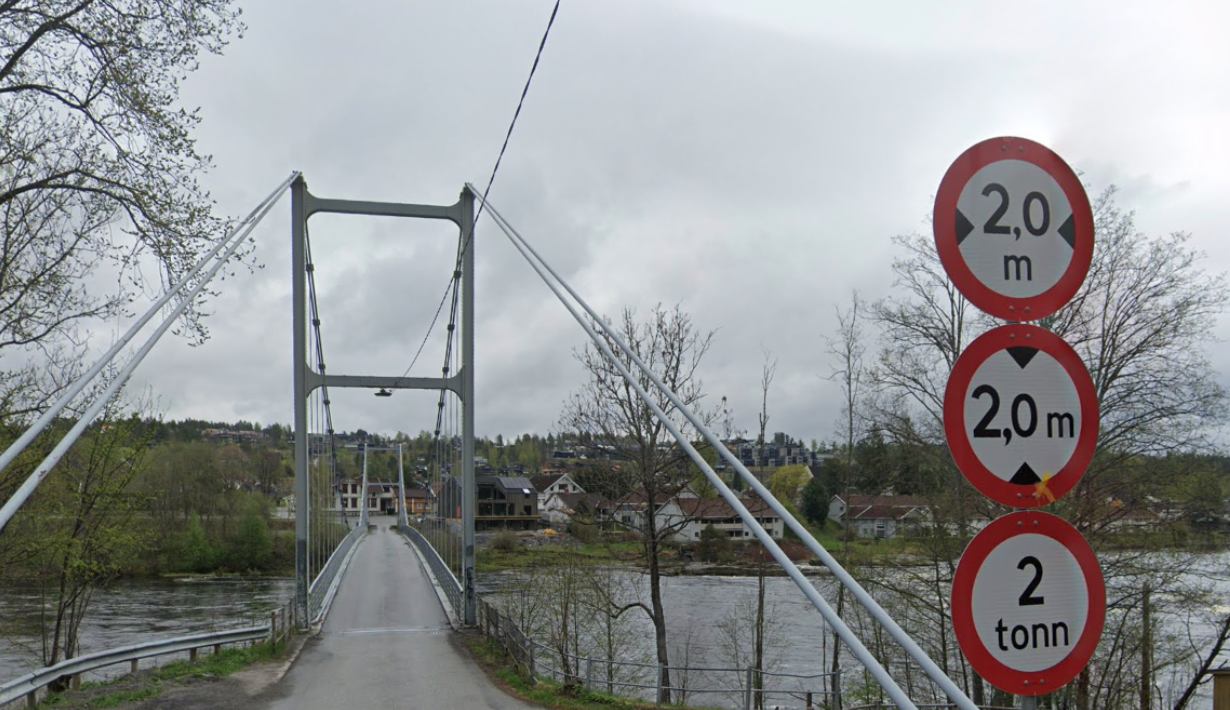
Where do you find the width limit sign?
You often find the width limit sign in places where narrow roads or obstacles can make it dangerous or impossible for wide vehicles to pass:
- Narrow streets and bridges: Where larger vehicles cannot fit.
- Tunnels: Where there is limited space for vehicles in width.
- Urban areas with narrow roads: To avoid traffic problems and dangerous situations.
What happens if you drive past the width limit sign with a vehicle that is too wide?
If you drive a vehicle (including load) that is wider than what is permitted, you risk crashing or getting your vehicle stuck. This can create dangerous situations both for yourself and for others on the road.
Frequently asked questions (FAQ)
- Does the width limit apply to trailers? Yes, the width limit applies to the total width of the car, the trailer and any load.
- Can I apply for an exemption? In some cases it is possible to apply for an exemption, but this requires special permission from the road authorities.
- What do I do if my vehicle is too wide? You must find an alternative route that has no width restrictions.
Why is this sign important?
The width limit sign helps maintain safe traffic on narrow roads and protects infrastructure such as bridges and tunnels from damage.