

Prohibition signs
What do prohibition signs look like?
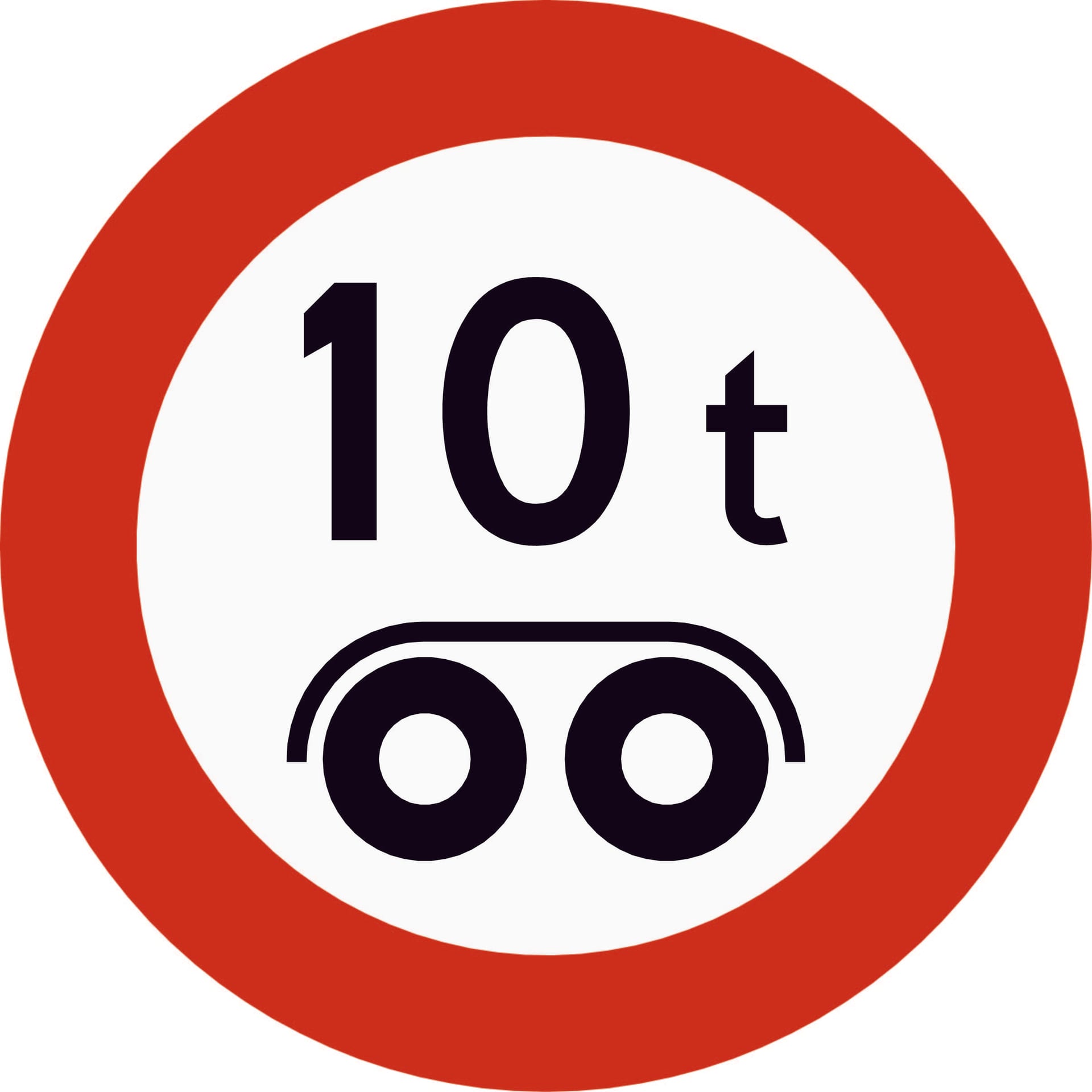
Bogie load limit
[object Object]
Is the bogie load limit sign important for the theory test and the practical driving test?
The bogie load limit sign is not directly relevant for the theory test or the practical driving test for class B driver's license (passenger car). It is primarily relevant for heavier vehicles such as trucks and buses. However, having general knowledge of such signs can be useful.
What does the bogie load limit sign mean?
The bogie load limit sign shows the maximum permitted weight for a bogie (two axles close together) on a vehicle. The sign is round, white with a red border, and shows the weight in tons (e.g. "16 t"). No bogie on the vehicle may exceed this weight.
Where do you find the bogie load limit sign?
You find the bogie load limit sign on roads where heavy vehicles with high bogie loads can damage infrastructure:
- Bridges: To avoid structural damage.
- Gravel roads and older roads: Where high bogie loads can damage the surface.
- Urban areas and narrow roads: To reduce wear and ensure safe travel.
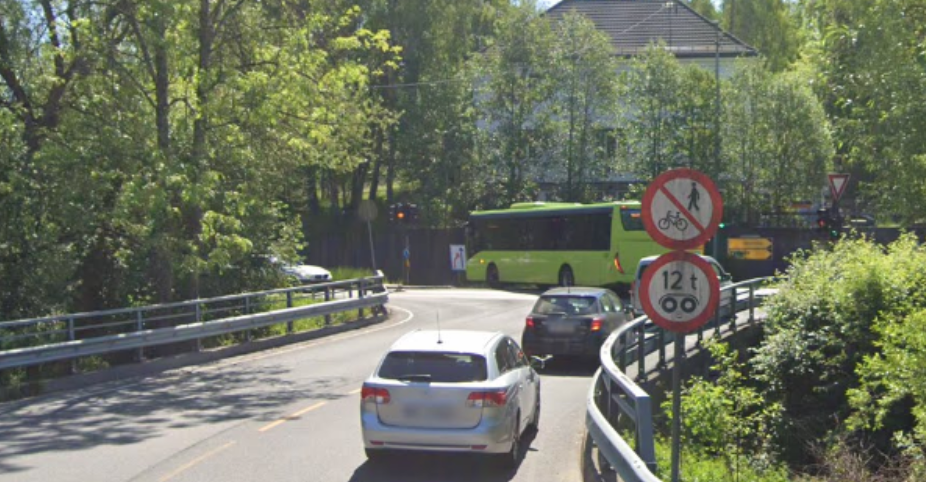
What happens if you drive past the sign with too high a weight?
If a bogie exceeds the bogie load limit, you can cause damage to the road or bridge. There are checkpoints with scales to ensure that heavy vehicles comply with the limit.
Why is this sign important?
The sign is important to protect roads and bridges from damage caused by vehicles that are too heavy. By complying with the bogie load limit, safer roads are ensured and maintenance costs are reduced.