

Prohibition signs
What do prohibition signs look like?
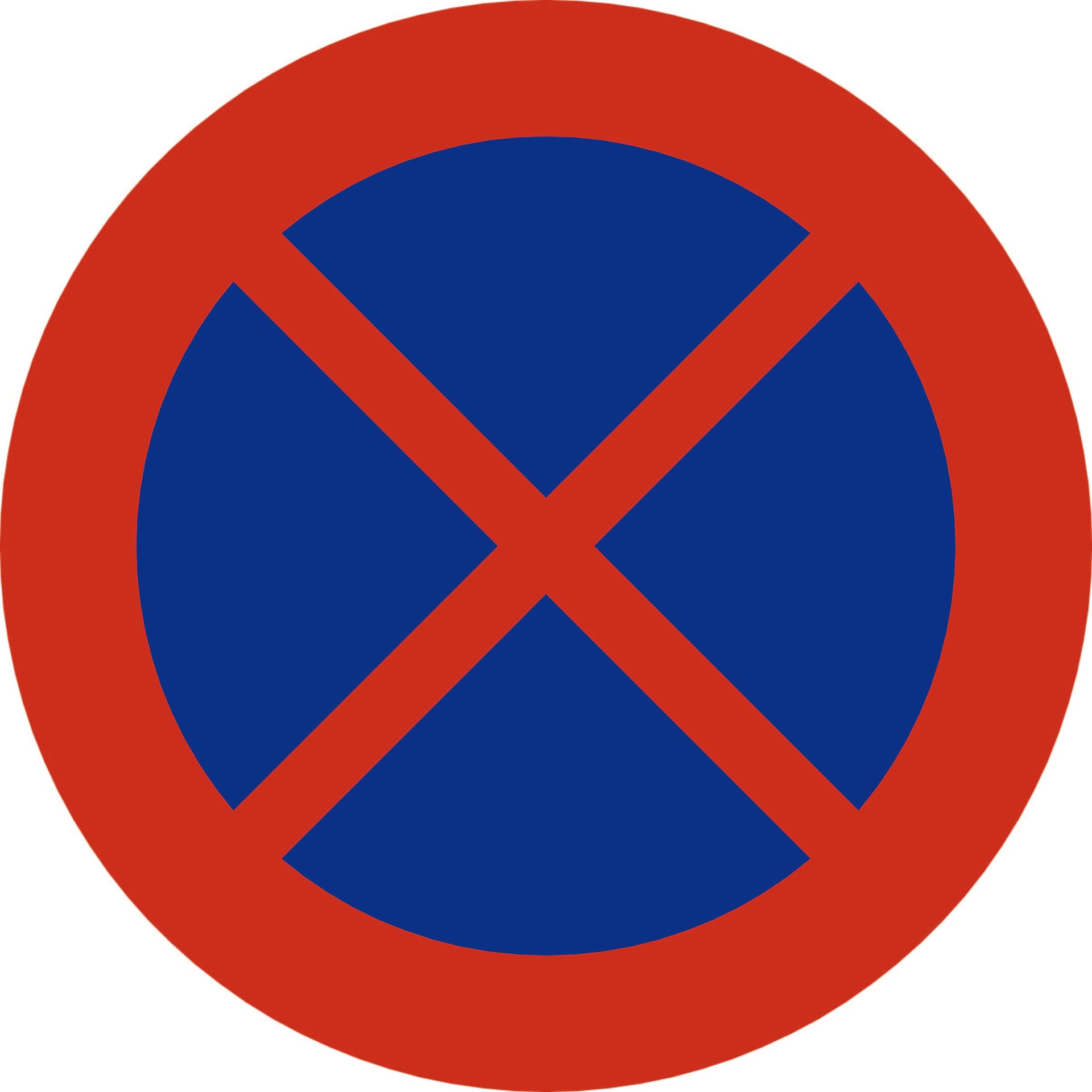
No stopping
[object Object]
Is the no stopping sign important for the theory test and the practical driving test?
Yes, the "No stopping" sign is relevant for the theory test and the practical driving test. You must understand what the sign means and where it is used.
What does no stopping mean?
The "No stopping" sign means that it is forbidden to stop the vehicle, for any reason, in the area where the sign is placed. The sign is round, blue with a red border, and has a red cross in the middle. This means that neither parking nor brief stopping is permitted.
Stopping for traffic reasons, such as stopping for a red light or in a queue, is permitted.
Where do you find the no stopping sign?
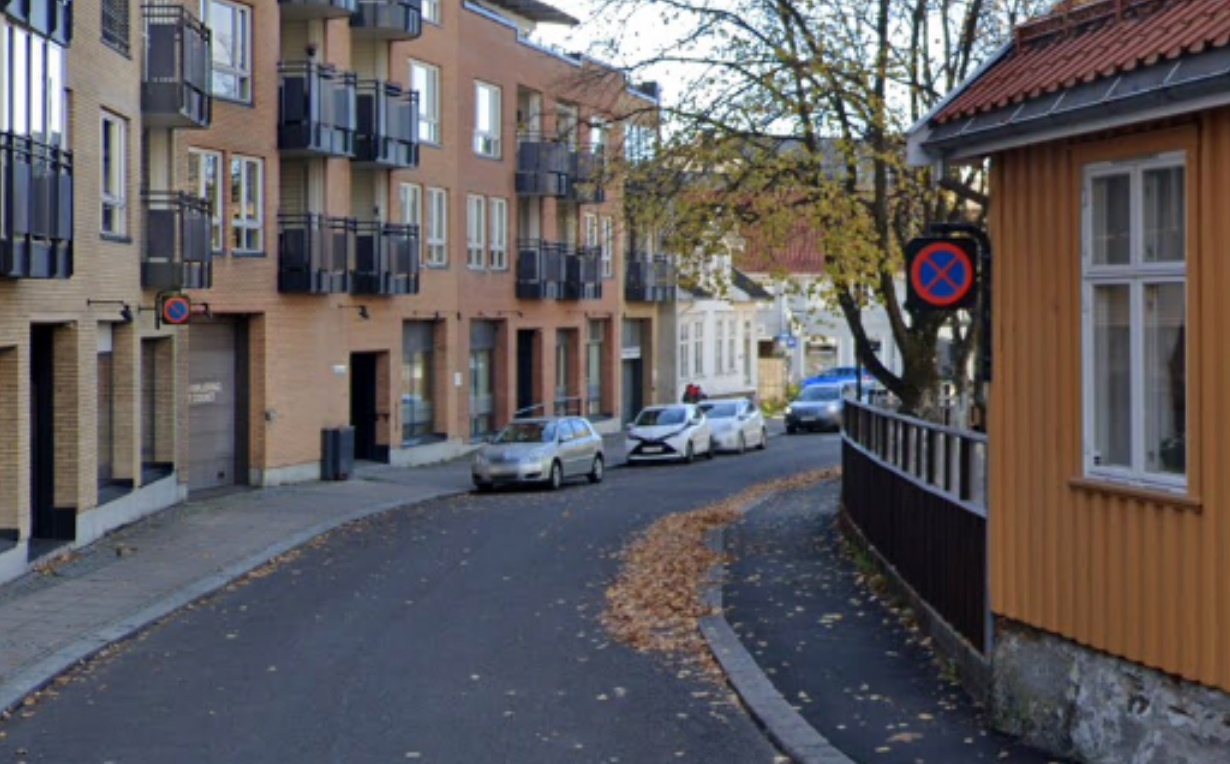
This sign is typically placed in locations such as:
- Busy city streets: To prevent cars from stopping and obstructing traffic.
- Bus lanes and bus stops: To ensure that buses and taxis can stop unimpeded.
- Fire stations, hospitals and emergency routes: Where emergency vehicles must have free access.
- Entrances and exits: To prevent roads or driveways from being blocked.
Example of the sign:
What happens if you break the rule?
If you stop where the sign prohibits it, you can get a fine, and in some cases your car can be towed away if it obstructs traffic or emergency services.
Why is this sign important?
The sign is important to ensure traffic flow and to prevent dangerous situations. It helps emergency services and public transport get through unimpeded.