

Information signs
What do information signs look like?
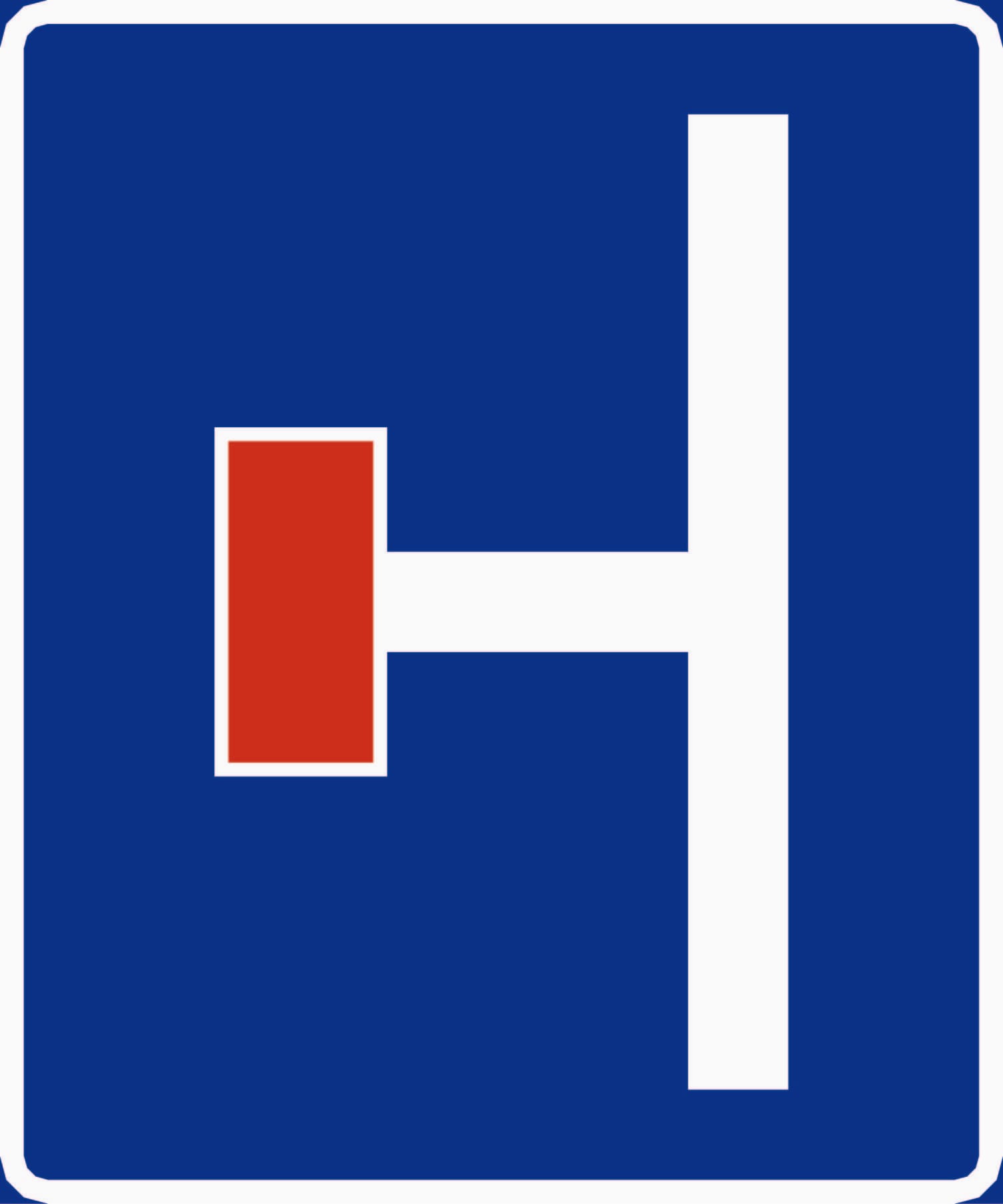
Dead end (crossing road)
Crossing dead end
Is the crossing dead end sign important for the theory test and the driving test?
Yes. On the theory test you may be asked when and why you encounter this sign. During the driving test you must recognize it and avoid turning into a road that is closed.
What does the crossing dead end sign mean?
The sign indicates that a side road crossing the main road is physically closed. The design may be mirrored or adjusted to the angle of the intersection, but the message is always the same: the road ends at a barrier.
Where do you encounter the crossing dead end sign?
Typical locations:
- Residential developments – exits that end at a gate or fence.
- Private road/property – entrances to areas that are closed.
- Road work – a temporarily closed side road.
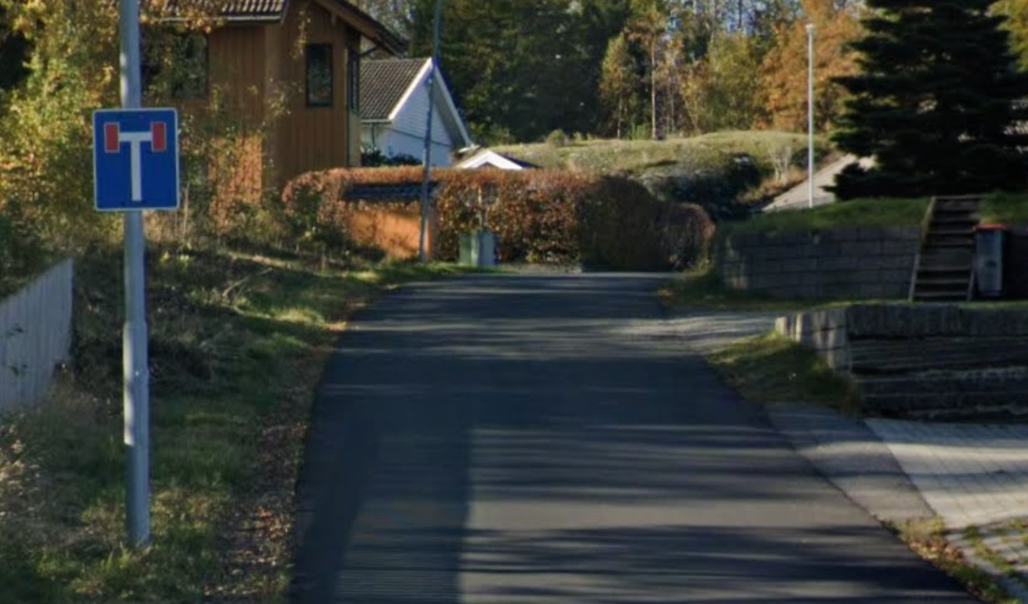
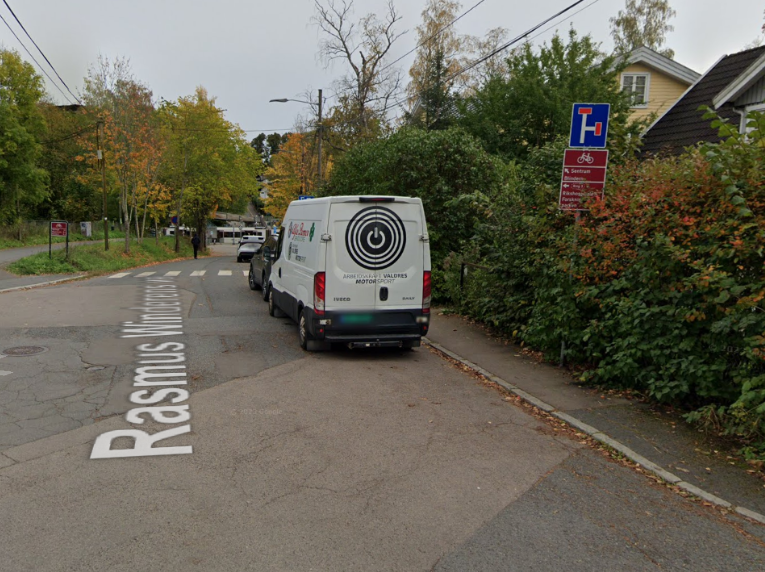
Here you can see two examples of the sign at an exit that ends at a gate. The sign is placed just before the intersection, so that you are informed in good time.
What happens if you turn onto a road with the crossing dead end sign?
You will encounter a gate or barrier and have to back out again. Reversing can be tight, and you may damage the car or create dangerous situations for traffic behind you.
Why is the crossing dead end sign important?
The sign prevents drivers from driving into dead ends with no way to continue. It saves time, provides better traffic flow, and reduces the risk of accidents.
Frequently asked questions (FAQ) about the crossing dead end sign
- Does the sign apply to cyclists? – Yes, the road is physically closed to all vehicles, including bicycles.