

Information signs
What do information signs look like?
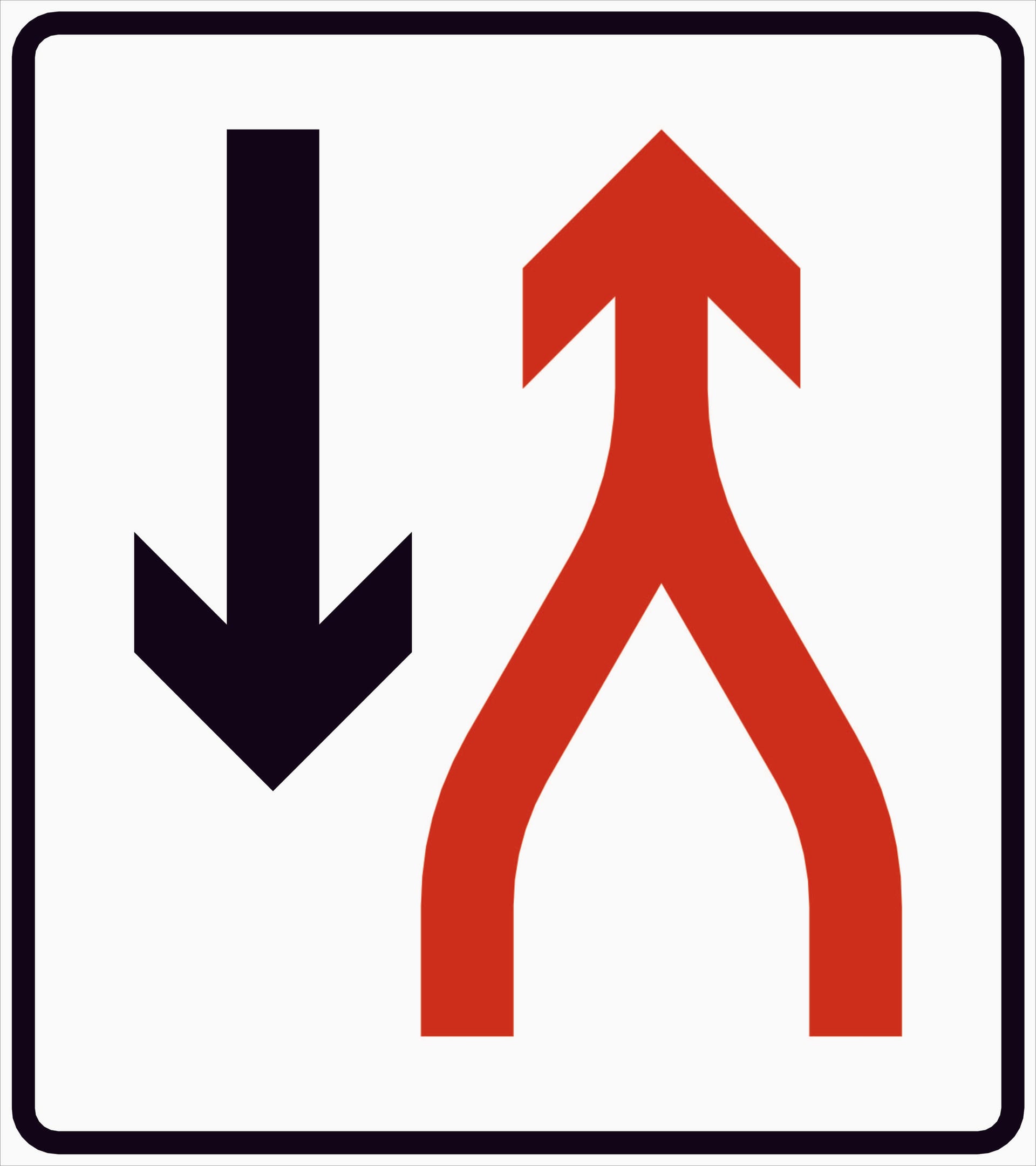
Merging lanes (variant)
[object Object]
Is the merging sign important for the theory test and driving test?
The merging sign is very important on the theory test and during the driving test. You must be able to recognize it, understand what it means, and adjust your driving correctly when the lanes merge.
What does the merging sign mean?
The merging sign indicates that two regular lanes in the same direction become one. According to section 8 no. 1 of the traffic rules, drivers must adjust their speed so that everyone can merge in alternately without unnecessary obstruction or disruption.
Where do you find the merging sign?
This sign is often used:
- At the end of passing lanes on two-lane roads.
- When an extra lane ends on a main road without a bus lane.
- On motorways where the number of regular lanes is reduced from two to one.
In the image you can see the merging sign placed where two lanes become one, just after the passing lane ends. 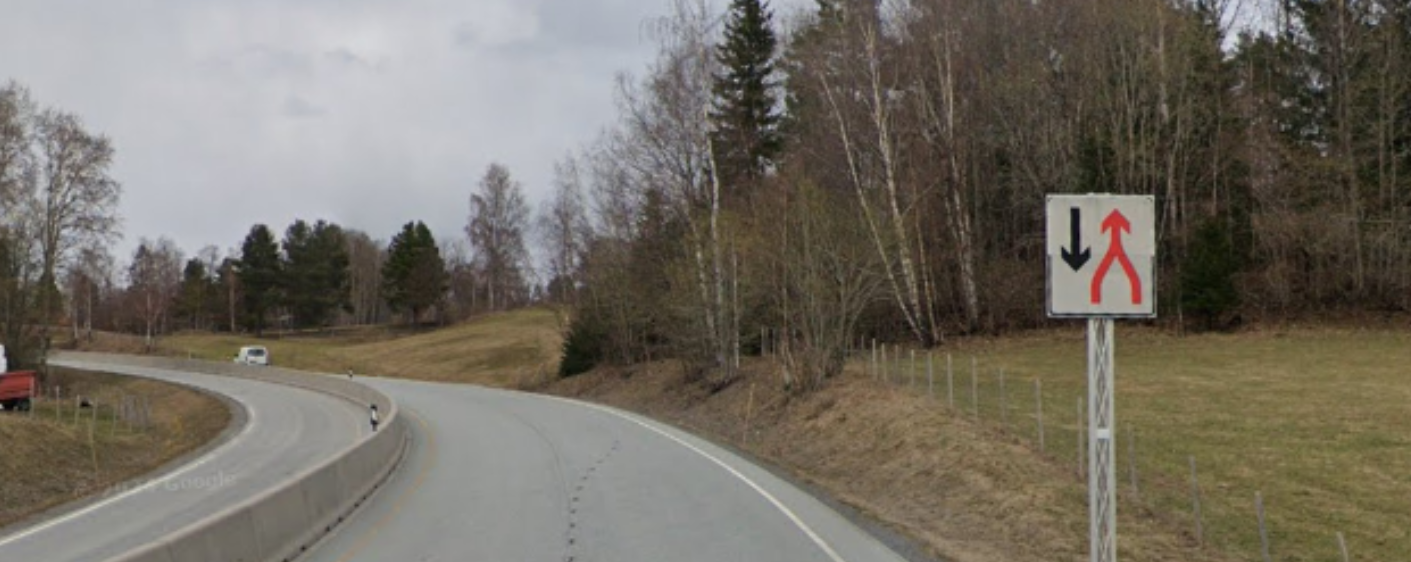
What happens if you fail to adjust your speed at the merging sign?
Failing to adjust your speed can create dangerous situations, cause stops and traffic jams, and may result in a fine at a traffic check.
Why is the merging sign important?
The merging sign ensures orderly and safe traffic flow when lanes are reduced. Mutual adjustment reduces the risk of accidents and obstructions on the road.