

Information signs
What do information signs look like?
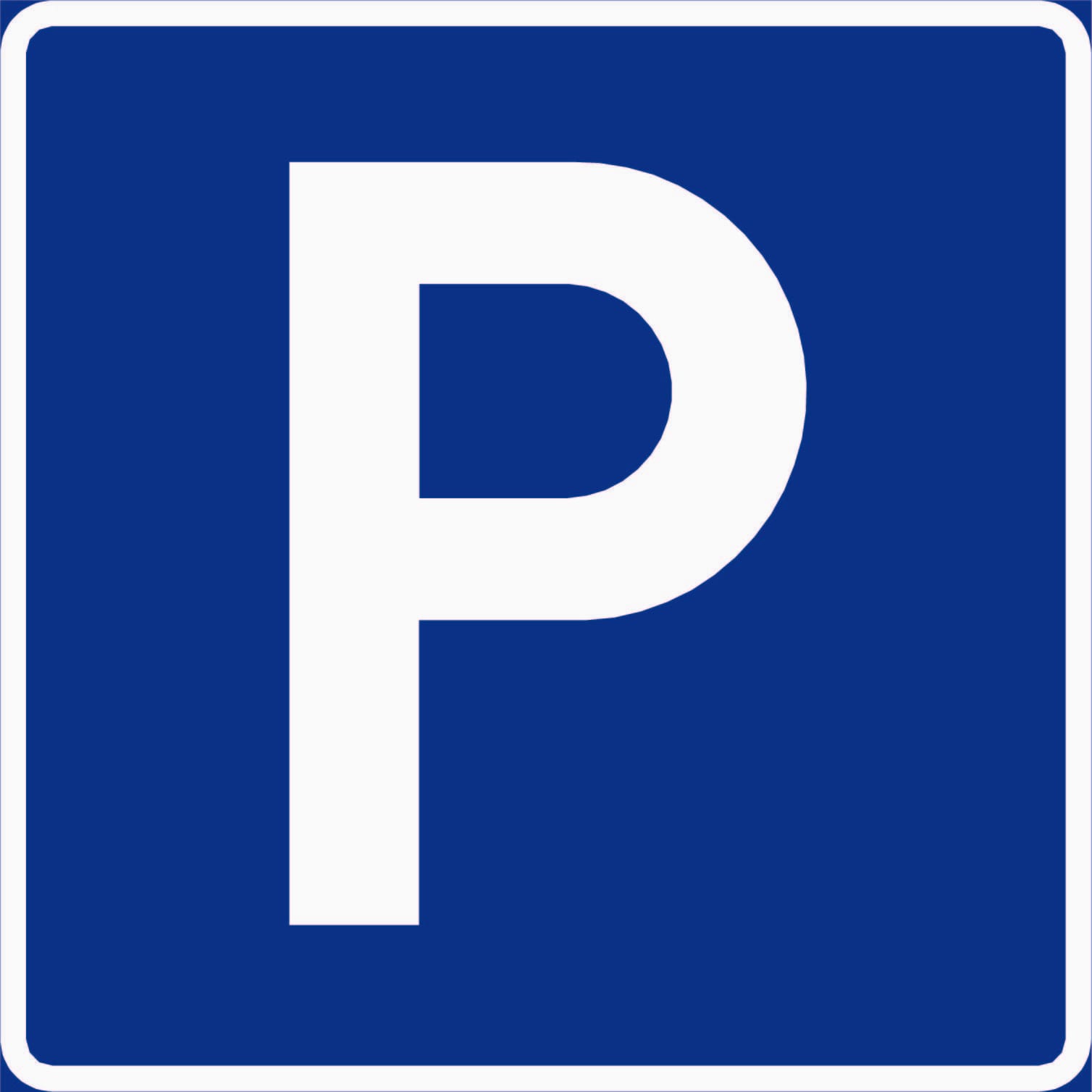
Parking
[object Object]
Is the parking sign important for the theory test and driving test?
The parking sign is one of the most common information signs you encounter in traffic. On the class B theory test you must know the parking sign and the rules for parking. During the driving test you must show that you know when and where you can park.
What is the parking sign?
The parking sign is an information sign indicating that you are allowed to park at that location. It has a blue background and a white P symbol. The sign applies until the next intersection or until a new parking sign appears.
Where do you encounter the parking sign?
You will see the parking sign at, among other places:
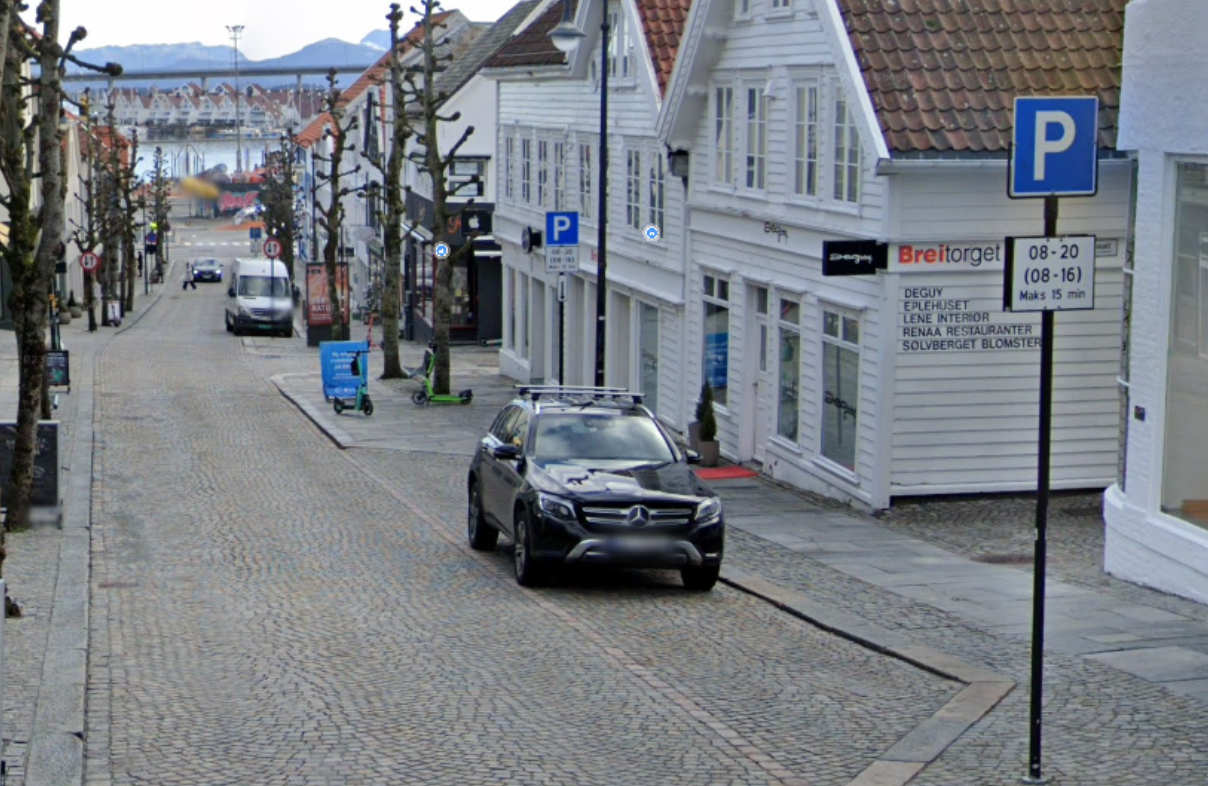
- Streets with municipal parking – where the municipality regulates time periods or fees.
- Entrances to parking lots – at public or private parking areas.
- Areas without a sub-sign – here anyone can park without extra conditions.
See the image below for an example of the parking sign:
What happens if you ignore the parking sign?
If you park illegally without following the parking sign or sub-sign, you risk a fine or having your car towed away. Always check whether you must move the car, pay a fee, or use a parking disc.
Why is the parking sign important?
The parking sign creates order and safety by showing where you can leave your car without obstructing other road users. Proper use improves flow and reduces the risk of accidents.
Frequently asked questions (FAQ) about the parking sign
- Does the parking sign apply to all vehicles? – Yes, unless a sub-sign indicates that it only applies to specific groups.
- Do I have to pay a fee if there is a parking sign without a sub-sign? – No, a fee is only required when a sub-sign says "For a fee" or similar.