Subsidiary signs
What do subsidiary signs look like?
Recommended speed
Recommended speed
Is the recommended speed subsidiary sign important for the theory test and the driving test?
Yes, this sign is relevant for the theory test because you must understand what recommended speed means and how it is used in traffic. For the driving test it is also important, since you may be assessed on whether you adjust your speed correctly in dangerous curves. Even though the speed is a recommendation and not a mandatory limit, you are expected to follow it to show that you drive safely and responsibly.
What does the recommended speed subsidiary sign mean?
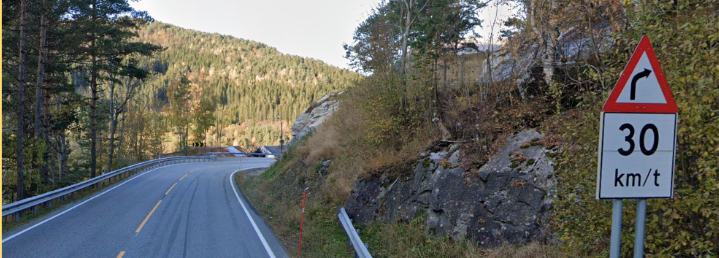
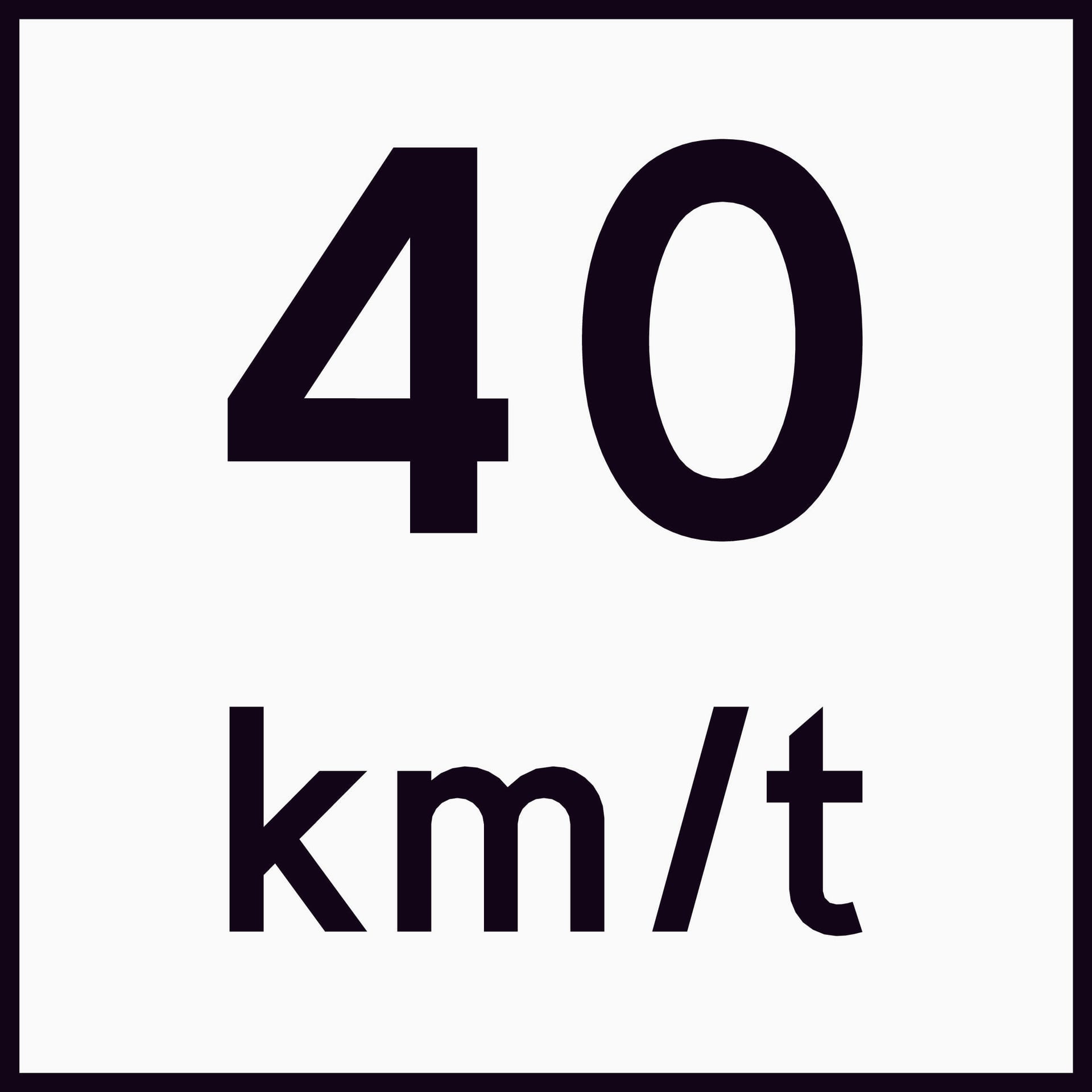
The "recommended speed" subsidiary sign is used to give drivers a recommendation about which speed is safe to maintain in dangerous curves or bends. This sign is always placed under warning signs such as "Dangerous curve" or "Dangerous curves" and shows a specific speed, for example 30, 40, 50, or 60 km/h. The speed shown is based on how sharp the curve is and how safe it is to drive through. The goal of the sign is to reduce the risk of accidents, especially in curves where accidents have previously occurred, or where the curve is difficult to see in time.
The sign is only used in situations where other measures, such as direction markers or warning signs, have not been enough to make the curve safe. It helps drivers adjust their speed before entering the curve, so that they can drive safely and avoid dangerous situations such as running off the road or head-on collisions.