Subsidiary signs
What do subsidiary signs look like?
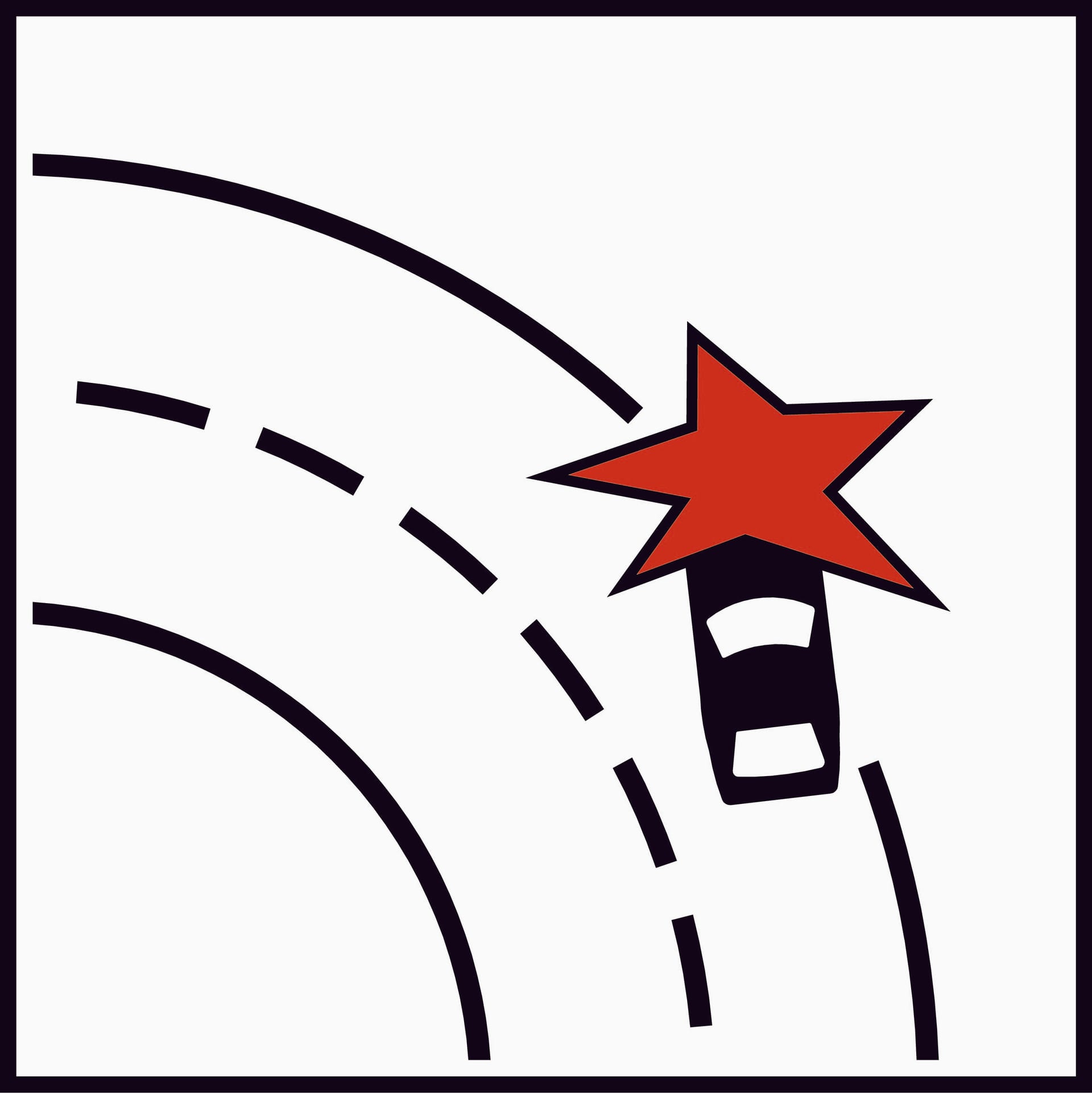
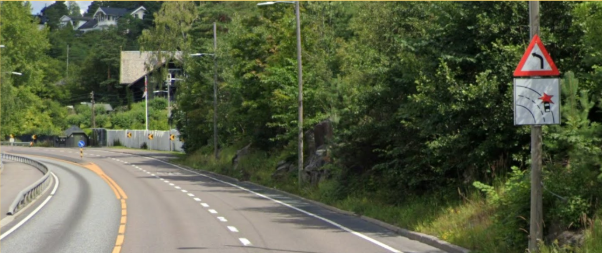
Particular accident hazard
Particular accident hazard
Is the particular accident hazard subsidiary sign important for the theory test and the driving test?
This sign is part of the curriculum, but it is not the most important sign for the theory test. It is also very unlikely that you will encounter this sign during the driving test. Even so, it is useful to know what it means, especially if you are going to drive in areas with high accident risk. It shows that you have a broad understanding of the traffic rules and can adapt your driving to dangerous situations.
What does the particular accident hazard subsidiary sign mean?
The "particular accident risk" subsidiary sign is used to warn drivers about places with a high risk of accidents. It is placed under warning signs such as "Dangerous curve", "Dangerous curves", "Narrower road", "Dangerous intersection", or "Other danger". The sign can also be used under "Priority intersection". The subsidiary sign shows a sketch illustrating the specific accident situation, such as running off the road in a curve, head-on collisions, or collisions at intersections. It is only used at locations defined as accident points or accident stretches, based on police-reported personal-injury accidents. The goal of the sign is to make drivers extra attentive and prevent further accidents.
The sign is used temporarily, until the area can be improved or rebuilt to reduce the hazard. It is only relevant where other measures, such as signage or physical changes, have not had sufficient effect.