Subsidiary signs
What do subsidiary signs look like?
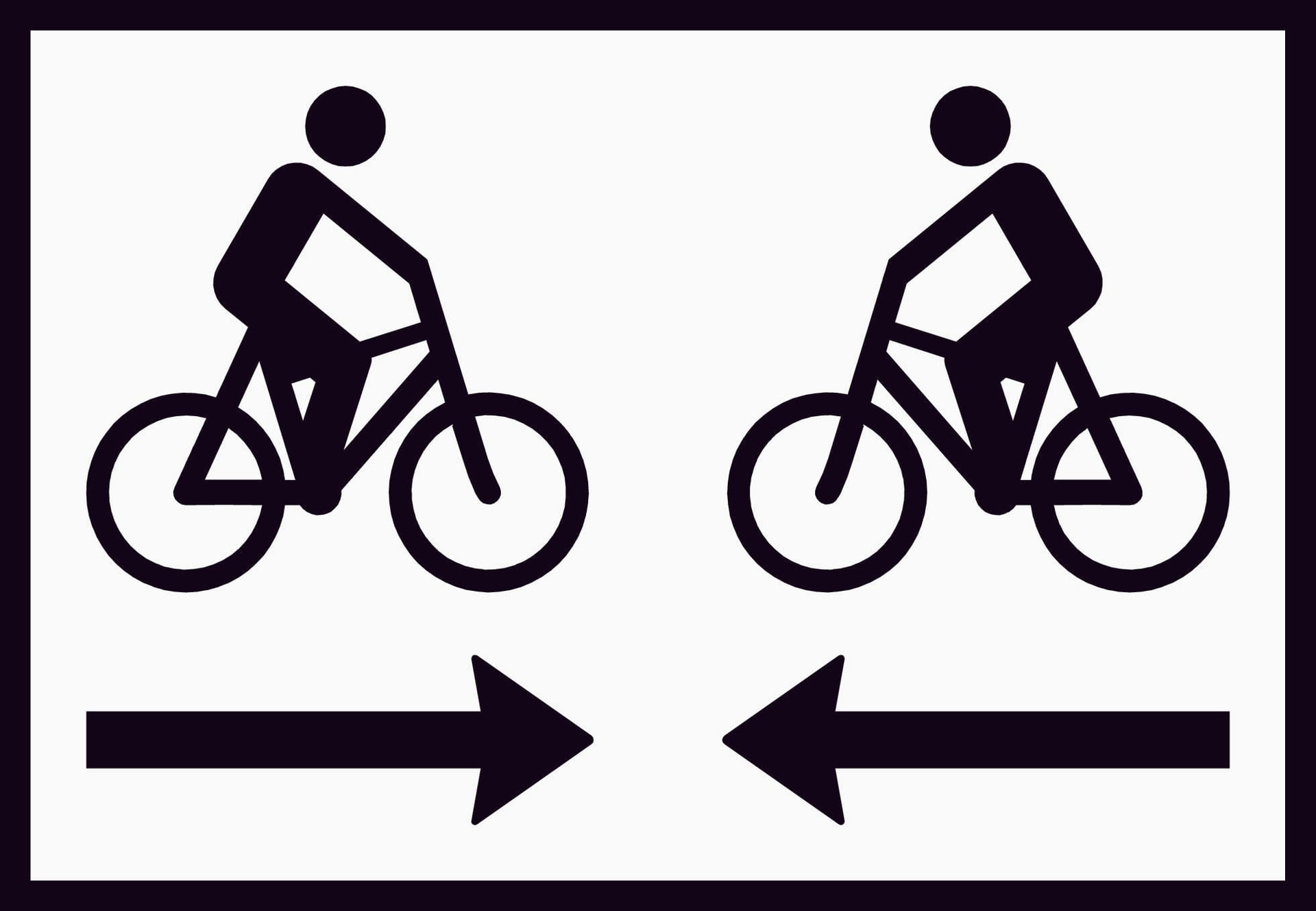
Bicycle traffic in both directions
Bicycle traffic in both directions
Is the bicycle traffic in both directions subsidiary sign important for the theory test and the driving test?
This sign is part of the curriculum, but it is not among the most important for the theory test. It is also unlikely that you will encounter this sign during the driving test. Even so, it is useful to know what it means, especially in order to understand how yielding works in relation to bicycle paths. It shows that you have a good understanding of the traffic rules and can adapt your driving to situations involving bicycle traffic.
What does the bicycle traffic in both directions subsidiary sign mean?
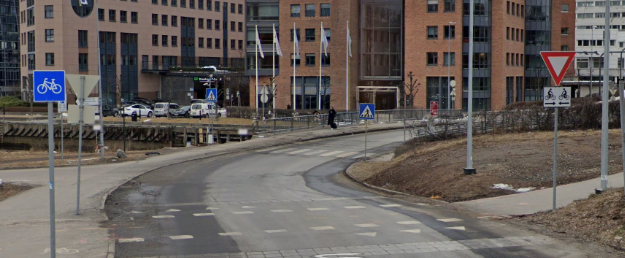
The "bicycle traffic in both directions" subsidiary sign is used to inform drivers that they are crossing a bicycle path where cyclists can come from both directions. The sign is placed under the "Yield" sign on roads that cross bicycle paths with priority, or where yielding is required for a bicycle path. This subsidiary sign is important for making drivers aware that they must look for cyclists from both sides, which can be unfamiliar in areas where traffic usually flows in one direction. The sign can also be used as part of advance warning, in which case it is placed above the "Distance" subsidiary sign.
The sign helps prevent accidents by ensuring that drivers are aware of bicycle traffic from both directions, especially at intersections where this can be hard to notice.