

Direction signs
What do direction signs look like?
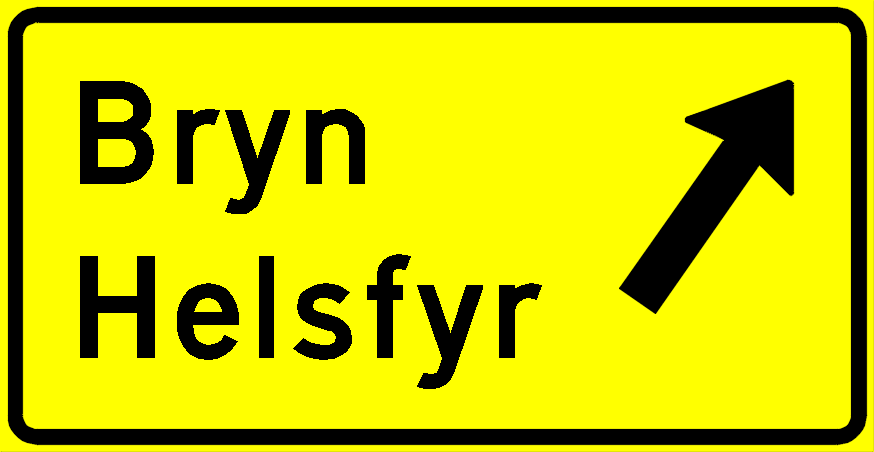
Exit direction sign
[object Object]
Is the exit direction sign important for the theory test and the driving test?
The exit direction sign is part of the theory test syllabus to show that you understand the direction-signing system at grade-separated junctions with high speeds. On the driving test you must recognize the sign and take the exit without slowing down unnecessarily or going the wrong way.
What is the exit direction sign?
The exit direction sign marks the start of a deceleration lane at grade-separated junctions. The sign repeats the same road number and destination as the advance direction signs (701.2, 705.2 or 709.3), but is placed right at the exit so you know exactly where to leave the main road.
When do you encounter the exit direction sign?
You encounter the exit direction sign on roads with a speed limit of 60 km/h or higher, just before the deceleration lane at grade-separated junctions. The sign appears after the advance direction signs that warn of the exit.
Frequently asked questions (FAQ) about the exit direction sign
- Does the sign apply at all exits? – No, only at exits in grade-separated junctions on roads with high speed limits.
- Why is there no distance indication? – The sign is placed right at the exit, so you don't need a distance table.
- Can the exit direction sign come in different colors? – Yes, blue for motorways, yellow for ordinary roads, white or brown for service and tourist information.