

Warning signs
What do right-of-way and priority signs look like?
This group of signs is special because the signs vary widely in shape and colour.
A unique feature of three of these signs — the yield sign, the stop sign and the priority road sign — is their distinctive shape, which sets them apart from all other signs. This makes them easy to recognise even from the back.
As the name suggests, the signs in this group regulate when you must yield, and to whom.
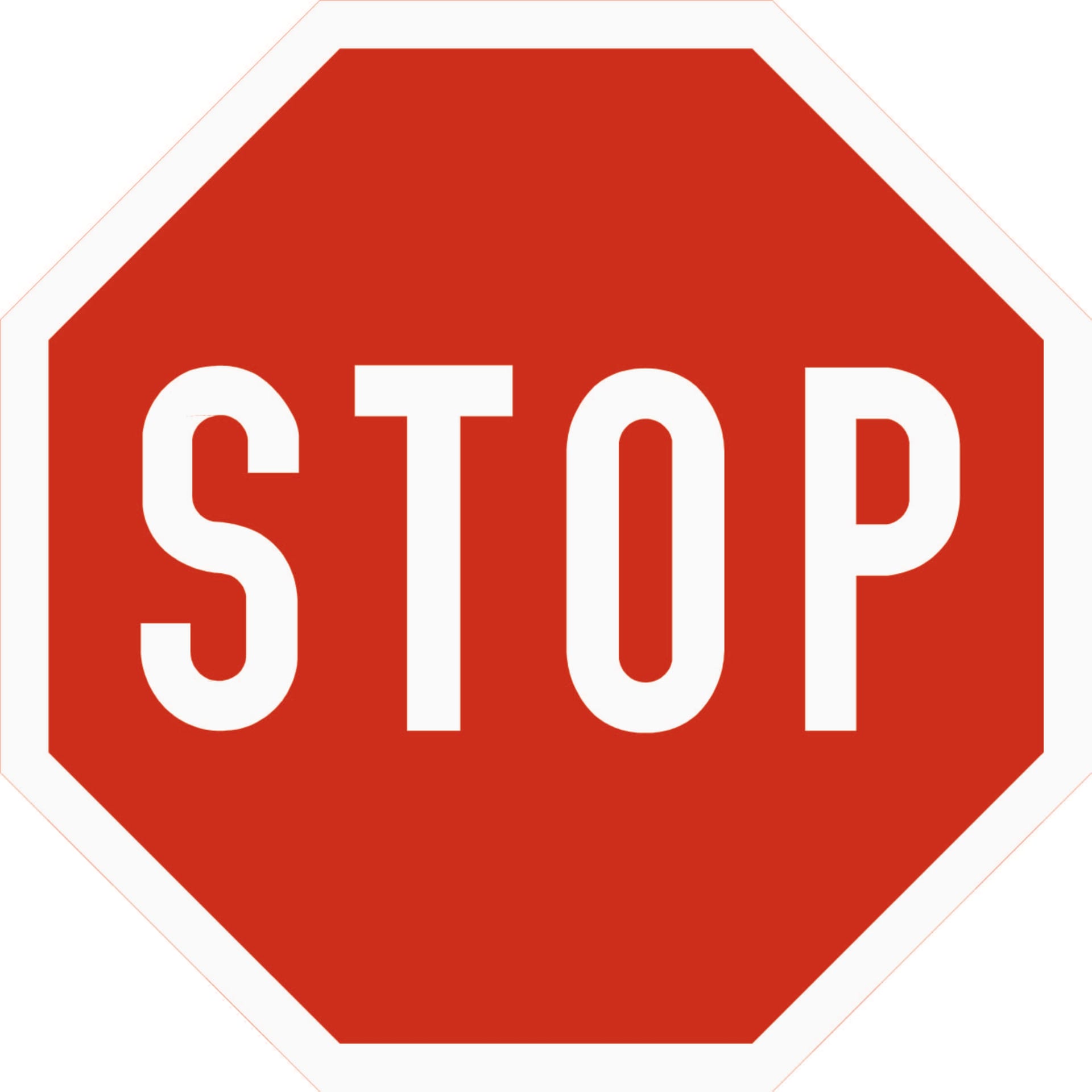
Stop
The sign indicates that drivers must come to a complete stop before entering the crossing road or before crossing a level crossing, and that the driver must give way to traffic in both directions on the crossing road or yield to trams and trains at the level crossing. The stop must be made at and up to the stop line, or, if no stop line is present, as close to the crossing road as possible.
[object Object]
Is the stop sign important for the theory test and the driving test?
Yes, the stop sign is very important both on the theory test and during the driving test. It shows that you understand traffic rules and priority at intersections.
What is the stop sign?
The stop sign is an octagonal red sign with a white border and the word "STOP" in the middle. It signals that you must come to a complete stop and yield before driving on.
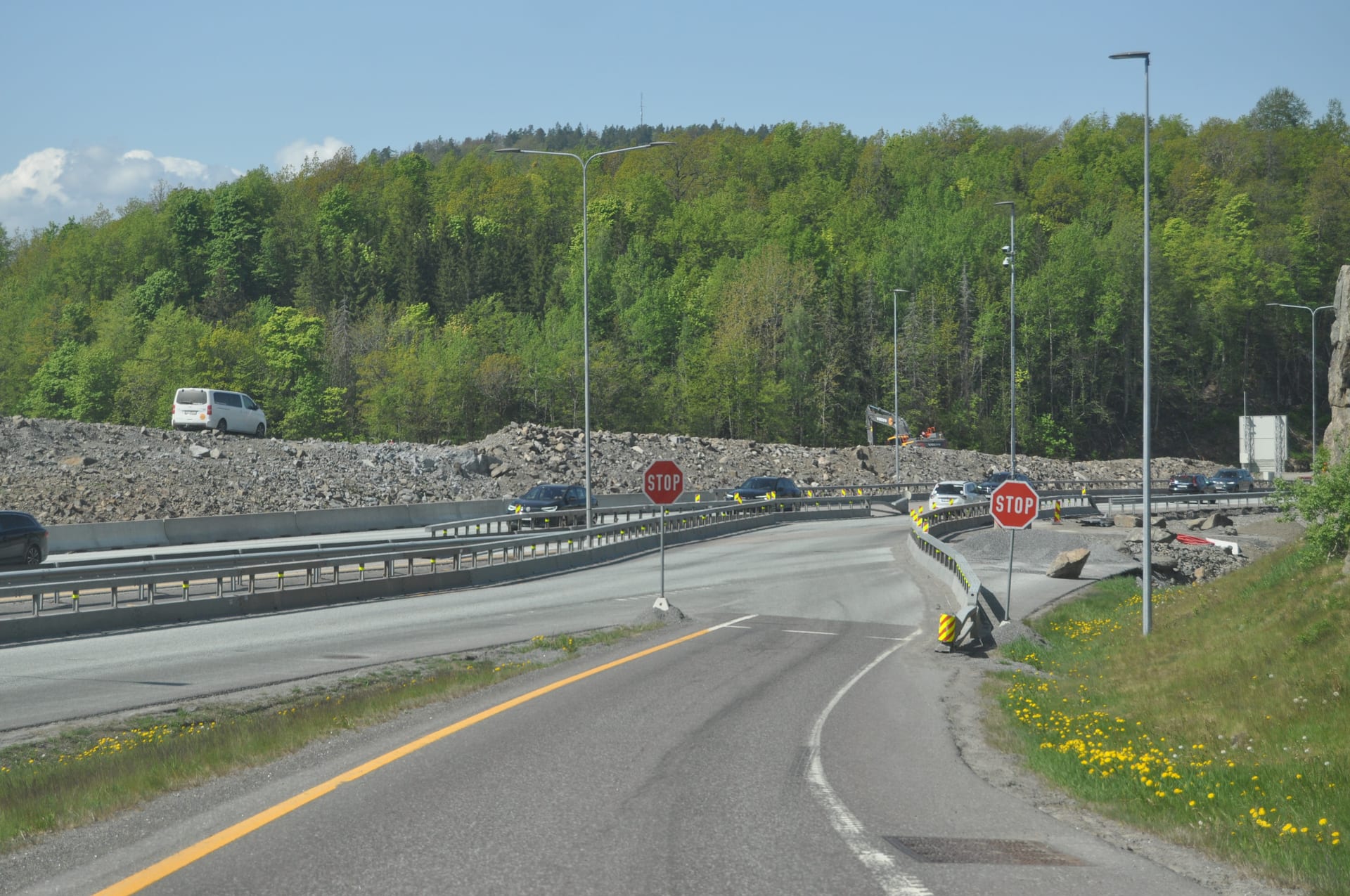
When do you encounter the stop sign?
The stop sign is often found at intersections with poor visibility, at railroad crossings, or other places where coming to a complete stop is essential for safety.
What happens if you don't obey the stop sign?
Ignoring a stop sign can lead to serious accidents and severe penalties, including fines and possible loss of your driver's license. On the driving test it can also result in failure.