

Warning signs
What do right-of-way and priority signs look like?
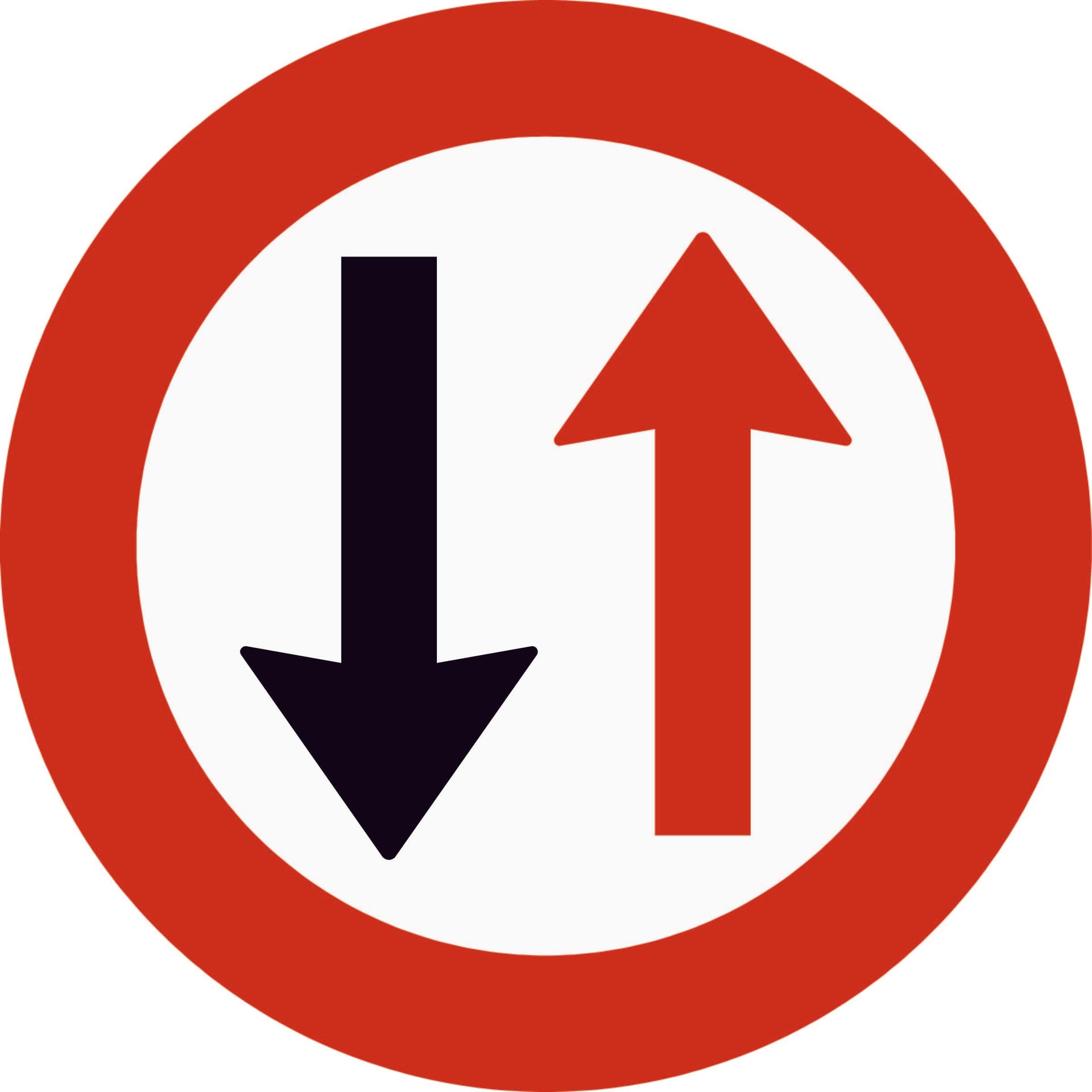
Give way to oncoming traffic
Give way to oncoming traffic
Why signs regulating yielding to oncoming traffic are important for driver training
Signs indicating give way to oncoming traffic play a crucial role in understanding the rules for traffic flow at narrowings. They contribute to safety on roads where two vehicles cannot pass at the same time, and where traffic rules alone are not sufficient.
The meaning of yielding to oncoming traffic
The sign "Give way to oncoming traffic" indicates that the driver must yield before narrow stretches of road to avoid obstructing oncoming traffic. The sign is used where it is necessary to regulate traffic flow, especially in situations that may affect safety.
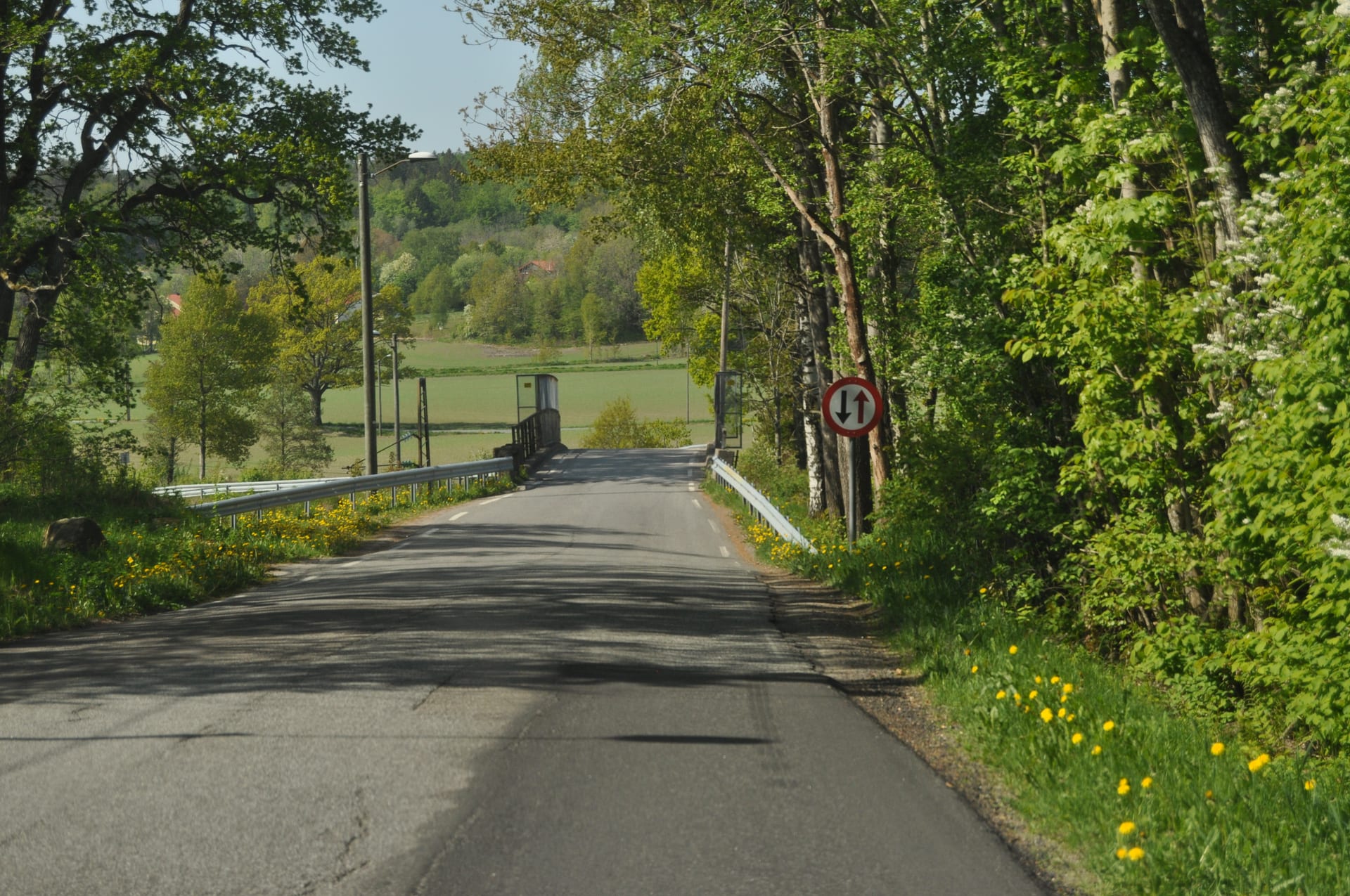
Common situations for yielding to oncoming traffic
The sign for give way to oncoming traffic is often used at narrowings where two vehicles cannot pass at the same time. Typical places include narrow bridges, road works, or sections with high traffic volume. Long-lasting narrowings, especially over 50 meters, are also a common application.
Requirements and guidelines for placement of the yield sign
- The yield sign must be placed directly in front of the narrowing to ensure visibility.
- The sign must be placed so that waiting vehicles do not block oncoming traffic at the narrowing.
- A corresponding sign requiring oncoming traffic to yield must be put up in the opposite direction.
- In case of poor visibility or a high speed limit, the supplementary sign "Distance" must be used to warn drivers in time.