

Information signs
What do information signs look like?
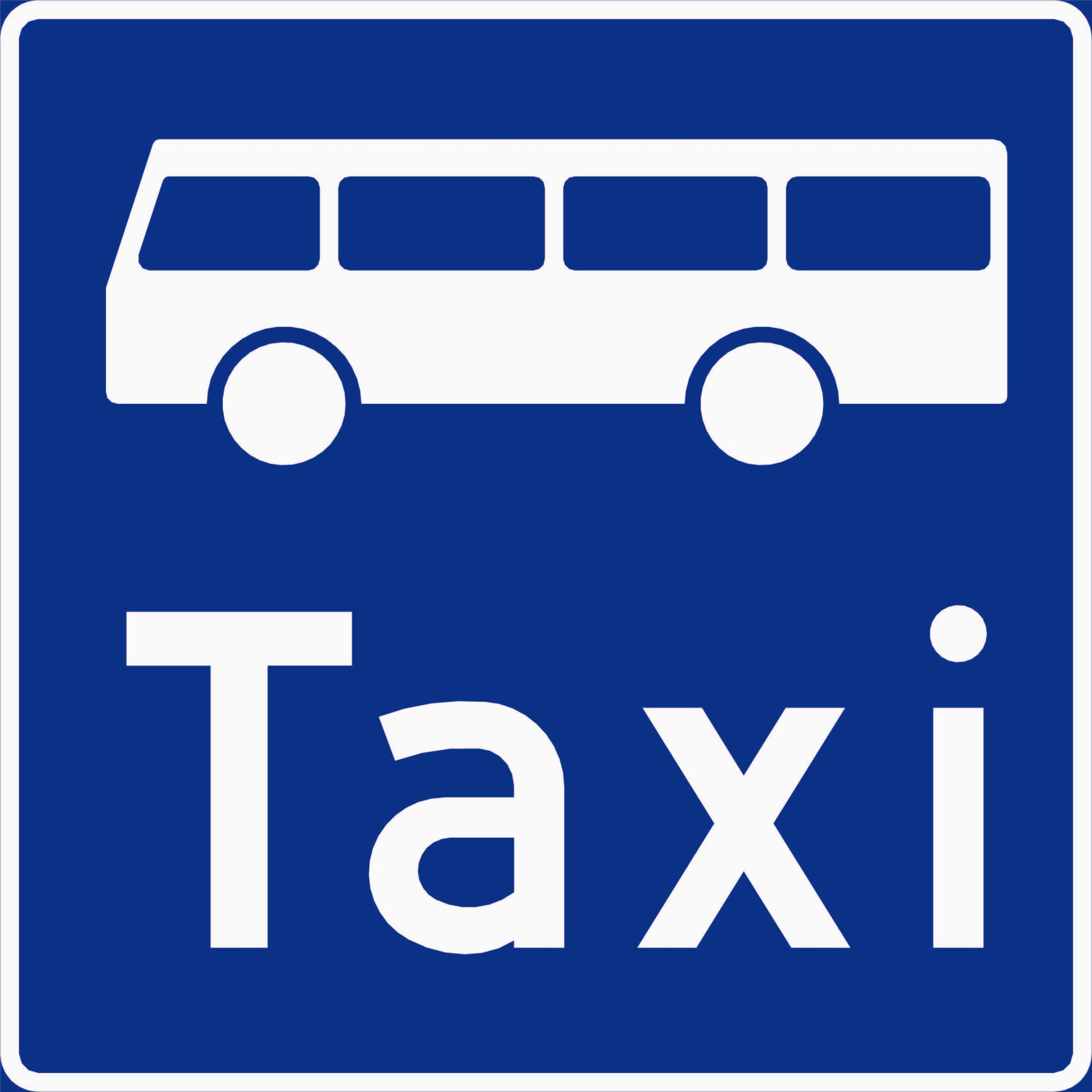
Bus and taxi lane
[object Object]
Is the bus and taxi lane sign important for the theory test and the driving test?
Yes, the bus and taxi lane sign is important both for the theory test and during the driving test. On the theory test you must know who is allowed to drive in the lane, and during the driving test you must show that you follow the rules and do not enter the bus lane without permission.
What does the bus and taxi lane sign mean?
The bus and taxi lane sign means that the lane is reserved for:
- Buses with licensed passenger transport or with room for at least 7 passengers
- Taxis with a roof light
In addition, the following vehicles may use the lane: electric cars, hydrogen-powered cars, two-wheeled motorcycles without a sidecar, two-wheeled mopeds, bicycles, and marked emergency vehicles. Local rules or supplementary signs may limit the use, for example a requirement of a passenger in an electric car during rush hour.
When do you encounter the bus and taxi lane sign?
You will often find the bus and taxi lane sign on:
- Main streets in cities – where there is a dedicated lane for buses and taxis
- Roads leading into the city center – to improve passage
- At bus stops – so that buses can drive past congestion
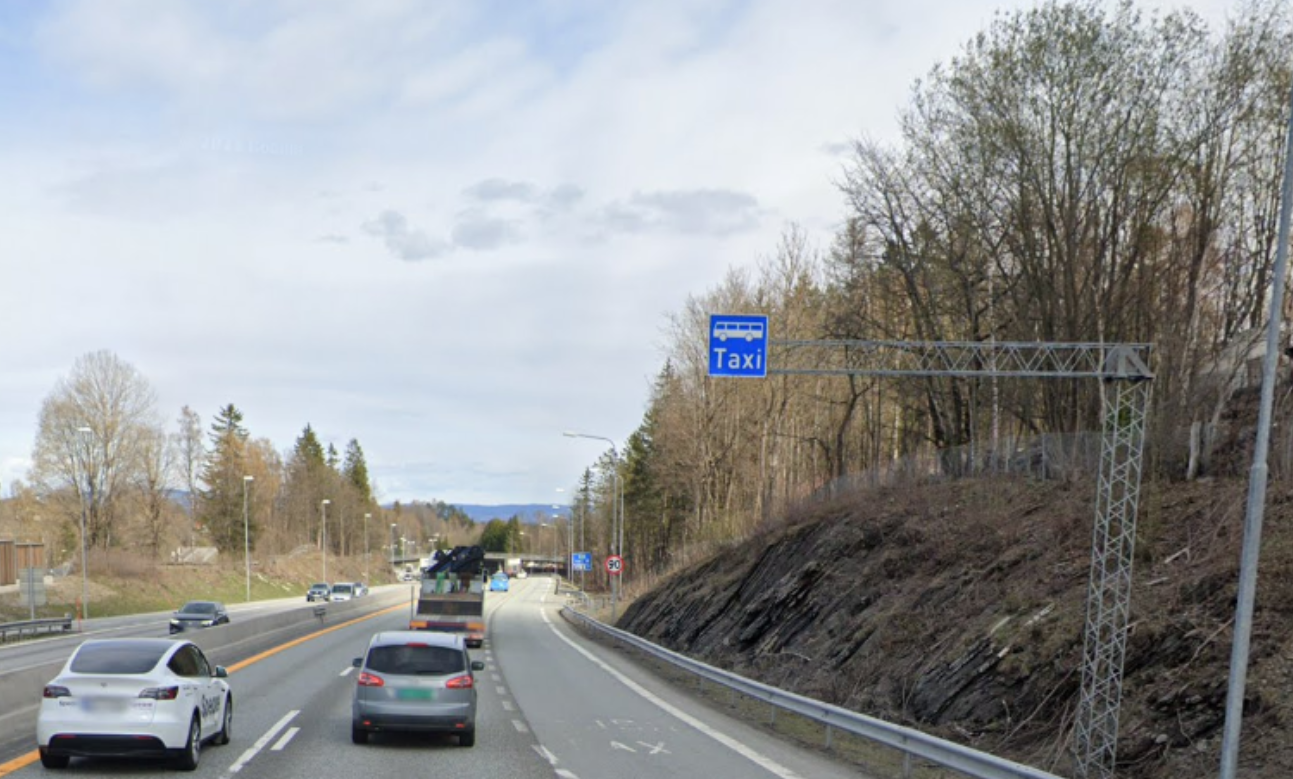
In the image, the bus and taxi lane sign hangs over the right lane. The lane is marked with a white stripe on the road and applies until the next intersection or until the "End of bus lane" sign.
What happens if you drive in the bus and taxi lane without permission?
If you drive in the bus lane without permission, you can receive a fine and, in some cases, demerit points on your driver's license. You can also obstruct public transport, create dangerous situations, and break traffic rules.
Why is the bus and taxi lane sign important?
The sign gives buses and taxis priority, reduces congestion and emissions, and increases safety. By respecting the sign, you contribute to better traffic flow and more efficient public transport.
Frequently asked questions (FAQ) about the bus and taxi lane sign
- Does the sign apply to ambulances? – Yes, marked emergency vehicles can always drive in the lane.
- Can an electric car use the bus lane? – Yes, electric and hydrogen-powered vehicles can use the lane, unless a supplementary sign or local rules say otherwise. In some areas, a passenger is required during rush hour.
- Where does the bus and taxi lane sign end? – At the "End of bus lane" sign or at the next intersection.