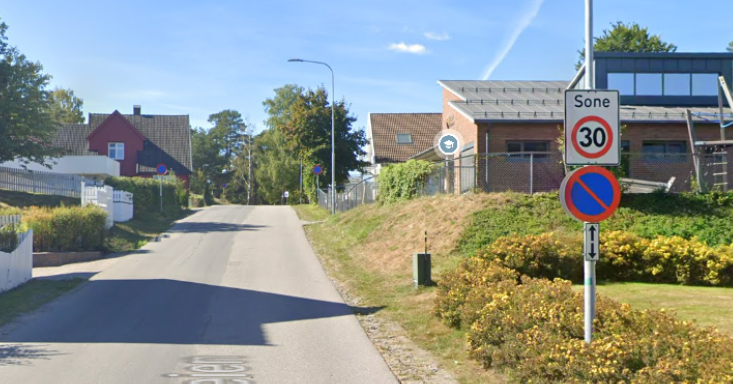
Subsidiary signs
What do subsidiary signs look like?
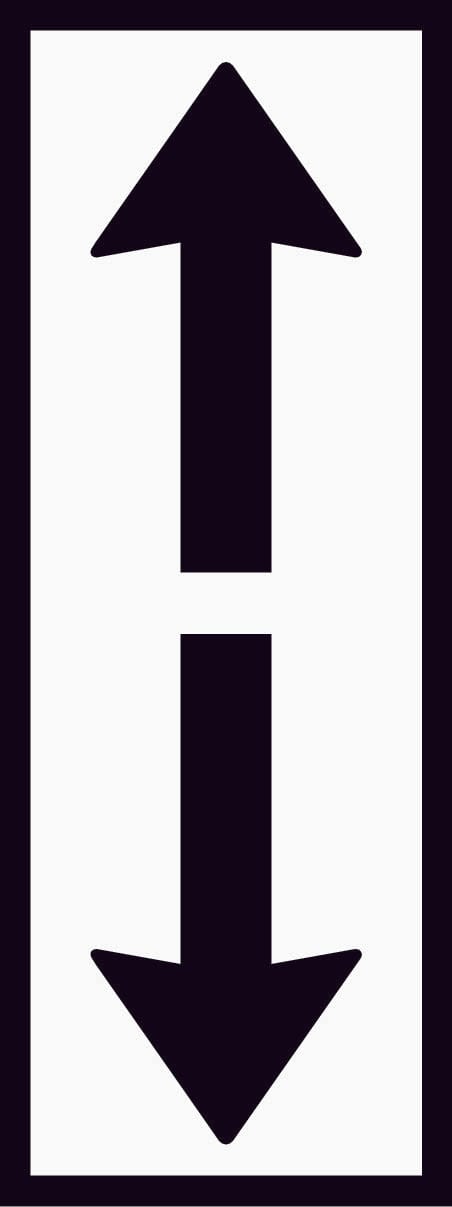
Stopping and parking regulation in both directions
Stopping and parking regulation in both directions
Is the stopping and parking regulation in both directions subsidiary sign important for the theory test and the driving test?
This sign is relevant for both the theory test and the driving test. Although it is not one of the very most important signs, it is important to understand what it means. During the driving test you may be asked to park, and you then need to know where it is legal to park. Being able to interpret this sign correctly shows that you have a good understanding of the traffic rules and can park safely and legally.
What does the stopping and parking regulation in both directions subsidiary sign mean?
The "extent of stopping and parking regulation" subsidiary sign is used to show where a regulation for stopping or parking applies. The sign can have arrows pointing in one direction, both directions, or against the direction of travel. For example, it can be used under signs such as "No stopping", "No parking", or "Parking" to clarify where the rules apply. The sign is especially useful in places where the direction of travel is not clearly defined, or where there may be doubt about where the regulation starts or ends. When the sign has an arrow pointing in both directions, it means the regulation applies on both sides of the sign.